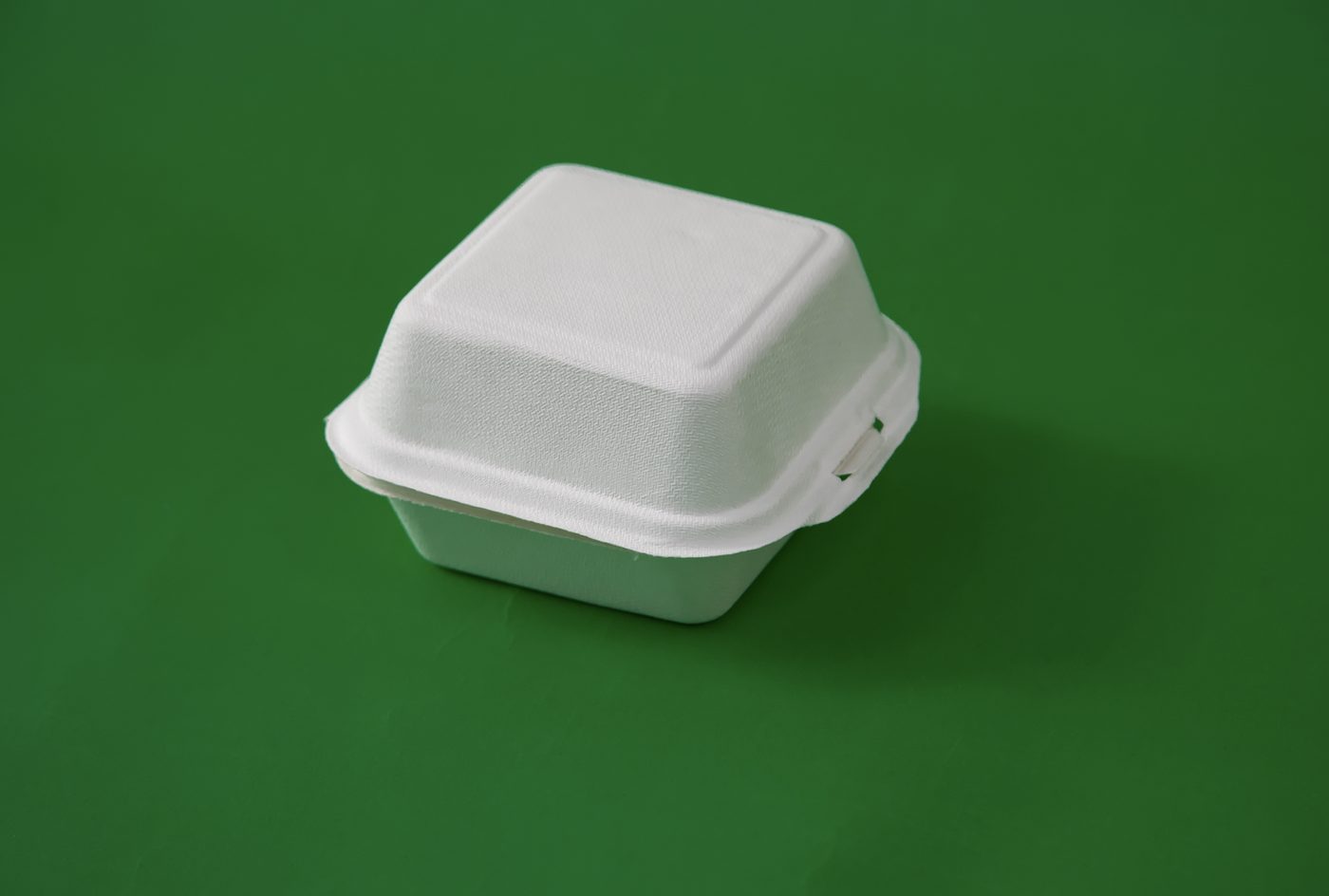
What are the cleaning methods for pulp tableware products? It is purchased by consumers. However, although environmentally friendly tableware is convenient and harmless to the human body, it will create a lot of garbage for society, and people's habit of littering will become worse and worse. So, what are the cleaning methods for pulp tableware products? What are the cleaning methods for pulp tableware products? 1. Burnt grease accumulated in the frying pan is difficult to clean. Put fresh pear peels in a pot and boil them with water, and the scale will fall off quickly. 2. The stainless steel wire will become very dirty after cleaning the ball with grease, and it will be difficult to clean it after washing other tableware. If you put a steel ball on a fire and let it cool naturally, shaking off the ashes, it will become clean as new. 3. If the dishes and cups are dirty, you can use salt, leftover tea or vinegar to scrub them. 4. The newly purchased iron pan is rusty. You can fill the pot with water, put it on the fire and cook for 10 minutes, then put it in the pot. After the water has cooled, brush it to remove the rust. 5. Soak the tableware containing milk, batter and eggs in cold water first, and then rinse them with hot water. Very easy to clean. 6. If the chopping board has a fishy smell, you can dip it in rice water, wash it with a little salt and then wash it with hot water to remove the smell. 7. When the aluminum pot is burnt, do not brush hard with a steel brush to avoid damaging the protective film of alumina. Just put the apple slices in the pot and cook them, and the burnt black pot can be removed. 8. Use toothpaste to scrub old dirt on enamelware. What are the advantages of pulp tableware products? 1. Environmentally friendly and hygienic, degradable plastic is generally considered to be a biodegradable plastic that can be decomposed into low molecules by sunlight radiation or microorganisms in the soil. In addition to being biodegradable, plastics should also be easy to process and meet usage requirements. Taking polyolefins as an example, photo-oxidation often leads to chain scission or cross-linking of the polymer, and is accompanied by the formation of them. The tableware is a crystal plastic tableware product that introduces international advanced production equipment and technology and uses PS material. It is non-toxic, tasteless, crystal clear, environmentally friendly, does not deform, and does not leak. 2. Safe and non-toxic: The environmentally friendly tableware is made of PS material, which has been tested by relevant departments and complies with the national GB18006, 1-2009 implementation standard. 3. Clean: Environmentally friendly tableware adopts precision injection molding equipment, one-time injection molding at 260 degrees high temperature, ultraviolet sterilization, and automatic aseptic packaging in flowing water. 4. Exquisite appearance: The environmentally friendly tableware is transparent and crystal clear, with a simple and exquisite appearance that makes people put it down. 5. Disposable use: Environmentally friendly tableware is disposable, which can prevent the spread of infectious diseases during meals. 6. Reuse: Environmentally friendly tableware can be recycled after use and can be used as recycled materials to produce household industrial products, recycled, environmentally friendly and energy-saving.
News Archive: Factory Updates & Trends
- After plastic, who will be the next generation of food packaging protagonist? 2026-06-16
- Canada's final anti-dumping and countervailing rulings have been implemented, and the global pulp molding industry is ushering in new changes! 2026-06-05
- [Breaking news] Based in China and going global | The founder of pulp molding will soon appear at the Interpack global packaging exhibition in Germany! We invite you to explore the new future of sustainable fully degradable packaging from May 7th to 13th! 2026-05-12
- The second phase of the 139th Canton Fair concluded successfully 2026-04-29
- "Pulp Molded Tableware Laminating Technology: How to Enable Environmentally Friendly Packaging Upgrades?" 》 2026-04-15
- Unlock the key to "trust"! Thai factory wins international certification grand slam! 2026-03-24