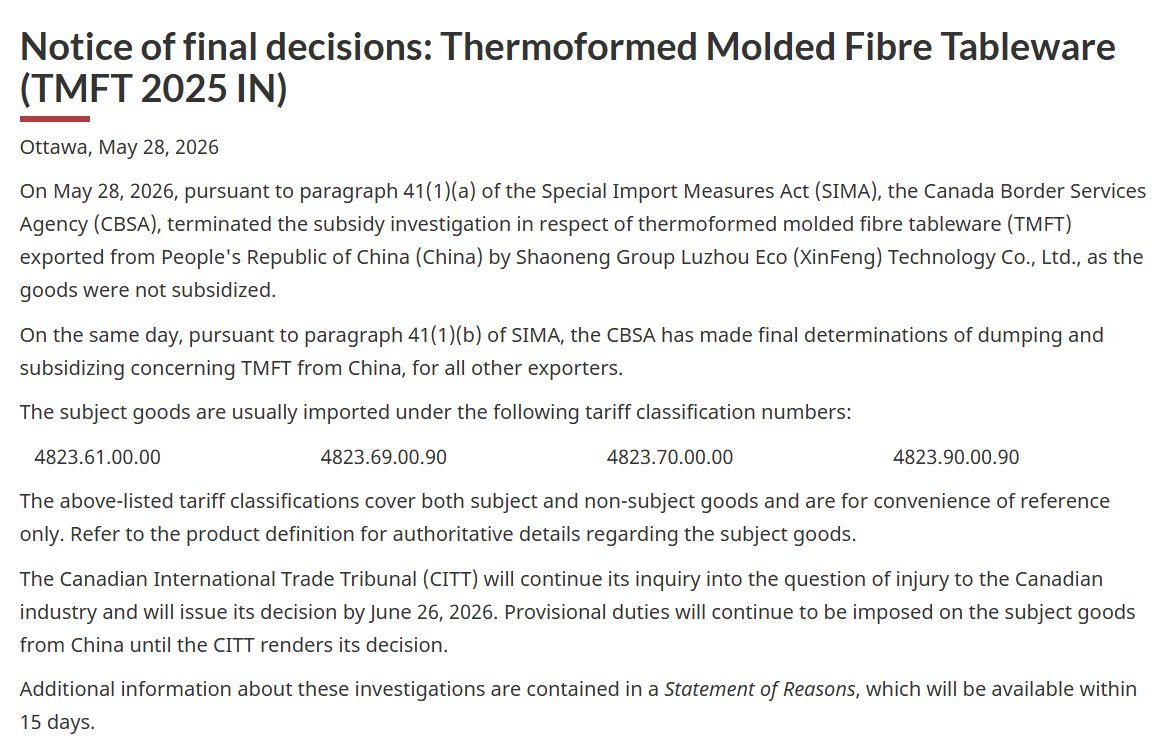
Recently, the Canada Border Services Agency (CBSA) officially issued the "Notice of Final Decisions: Thermoformed Molded Fibre Tableware (TMFT 2025 IN)", making a final ruling on the anti-dumping and countervailing investigations of China's hot-pressed plant fiber pulp molded tableware (Thermoformed Molded Fibre Tableware) exported to Canada.
This incident quickly attracted the attention of the global environmentally friendly packaging industry. For the plant fiber pulp molding industry, this is not only a trade policy change, but also releases an important signal: the global environmentally friendly packaging market is accelerating growth, and the global layout of the supply chain is becoming the core competitiveness of enterprises.
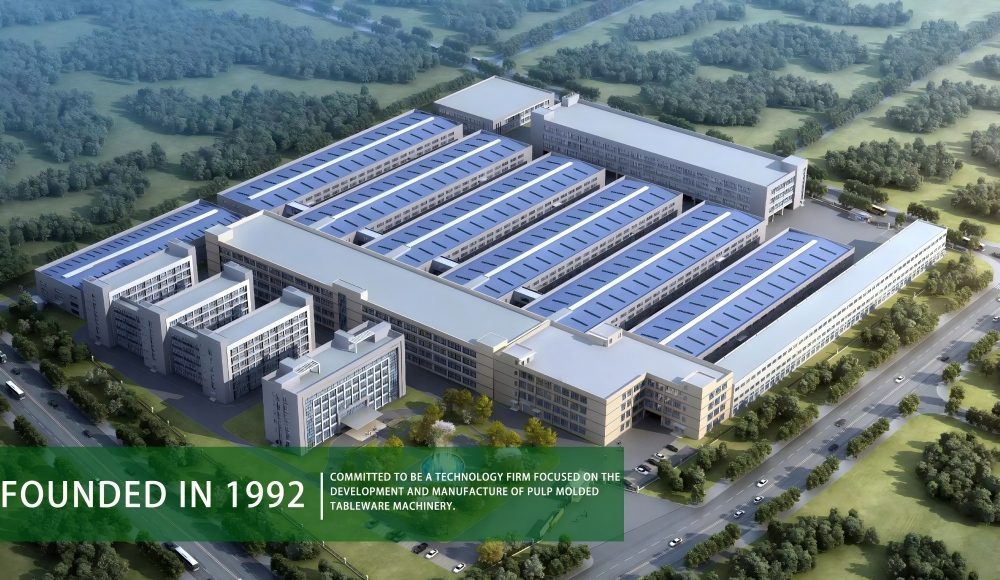
The global wave of plastic bans has promoted the rapid development of the pulp molding industry. In recent years, with the implementation of EU PPWR regulations, Canadian plastic ban policies, and single-use plastic restriction bills in many US states, the global food packaging industry is accelerating its transformation towards degradability, compostability, and recyclability. Demand for products such as sugarcane bagasse molded tableware, plant fiber food packaging, and compostable takeout packaging continues to rise. Canada's investigation into hot-pressed pulp molded tableware proves from another perspective that pulp molding has gradually grown from a traditional substitute to an important track in the global packaging industry. Industry competition has entered the "global supply chain era". In the past, companies competed more on product prices. Today, customers are more concerned about: Supply chain stability Delivery capabilities International certification systems Global production layout Long-term cooperation guarantee capabilities Facing changes in the international trade environment, companies with overseas manufacturing bases will have stronger competitive advantages. The advantages of having dual bases in China + Thailand are highlighted. As the founder of the plant fiber pulp molding industry that started in 1992, we have always adhered to the global development strategy. At present, the company has formed: China production base + Thailand production base dual-base collaborative manufacturing system. This layout can not only provide more stable supply chain guarantees for global customers, but also effectively improve international market service capabilities.
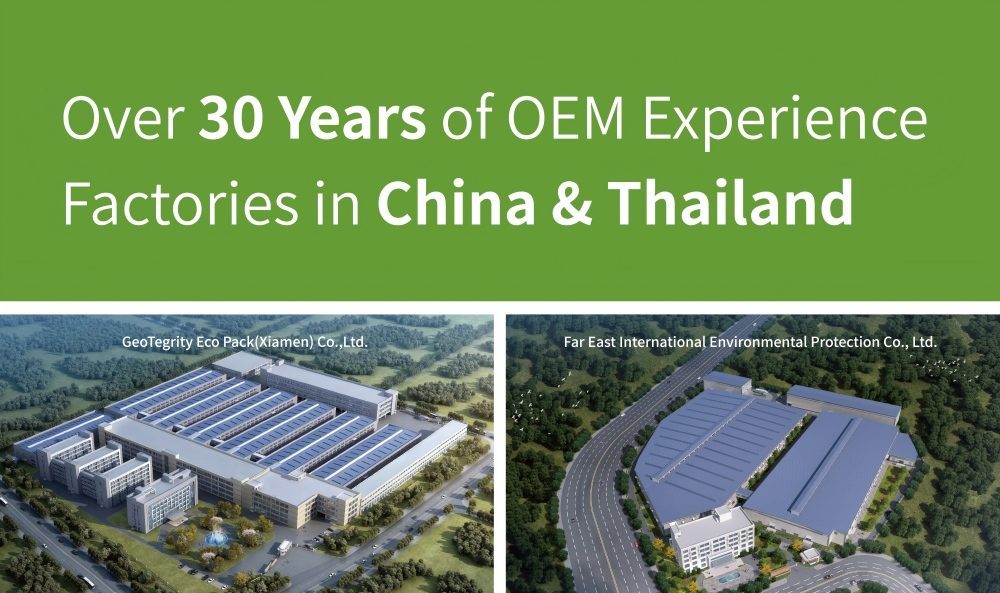
Focusing on the plant fiber pulp molding industry for more than 30 years, it has been deeply involved in the pulp molding industry for more than 30 years and is recognized by the industry as: ✓ The founder of the plant fiber pulp molding industry ✓ The national standard setter of "Disposable Biodegradable Environmentally Friendly Tableware" ✓ Olympic Games Supplier ✓ The world's leading manufacturer of plant fiber pulp molding equipment and plant fiber environmentally friendly tableware Currently it has more than 200 patented technologies and has built a complete industrial chain system from equipment research and development, mold design to environmentally friendly packaging product manufacturing.
A new era of global green packaging has arrived. The final ruling of the Canadian TMFT case once again reminds the entire industry that the future competition is not only product competition, but also supply chain competition, innovation competition and globalization capability competition. We will continue to be driven by technological innovation and supported by our dual bases in China and Thailand to provide global customers with more stable, high-quality and sustainable pulp molding packaging solutions.
The green future has arrived. We are willing to work with global partners to promote the development of the world's packaging industry in a low-carbon, environmentally friendly and sustainable direction.
News Archive: Factory Updates & Trends
- After plastic, who will be the next generation of food packaging protagonist? 2026-06-16
- [Breaking news] Based in China and going global | The founder of pulp molding will soon appear at the Interpack global packaging exhibition in Germany! We invite you to explore the new future of sustainable fully degradable packaging from May 7th to 13th! 2026-05-12
- The second phase of the 139th Canton Fair concluded successfully 2026-04-29
- "Pulp Molded Tableware Laminating Technology: How to Enable Environmentally Friendly Packaging Upgrades?" 》 2026-04-15
- Unlock the key to "trust"! Thai factory wins international certification grand slam! 2026-03-24
- [Breaking Interpretation] Canada’s preliminary cuts have been implemented, how can pulp molding exports break the situation? Globalization is the "safe haven"! 2026-03-02