![[Breaking Interpretation] Canada’s preliminary cuts have been implemented, how can pulp molding exports break the situation? Globalization is the "safe haven"!](assets/img/news/news_103_0.jpg)
Canada's preliminary anti-dumping ruling on China's pulp molding! Is your supply chain stable? The advantages of this company’s overseas factories are fully demonstrated!
Recently, the international pulp molding market has experienced renewed turbulence. Following the United States' imposition of "anti-dumping" tariffs of up to 540% on Chinese pulp molded products, Canada has recently made a preliminary ruling on its anti-dumping investigation into pulp molded products from China. This means that the trade channels that rely on China's direct exports to North America are becoming narrower and narrower, and costs are rising sharply. In the face of the ever-changing international trade environment, if you are a North American buyer or brand owner, what you need to think about most now is not complaining about tariffs, but: How to quickly find a stable, compliant supply chain that is not affected by "double-reverse, anti-dumping, anti-dumping, anti-dumping, or anti-dumping"? The answer is: choose suppliers with production bases around the world. This is the core strength of our company. When the crisis comes, we have already prepared "Plan B" (Thailand factory production base) for you.
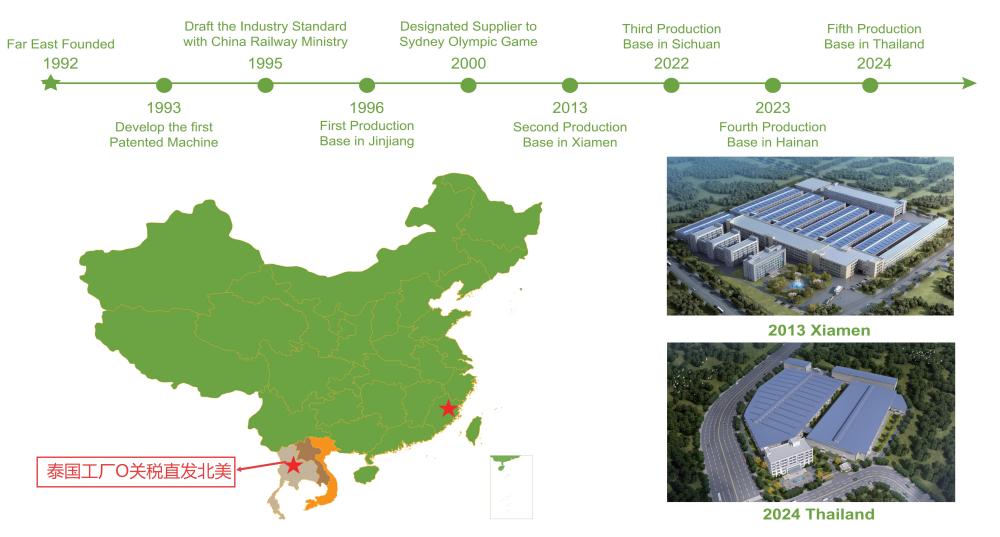
As trade friction escalates, the risk of a single origin increases sharply. In recent years, pulp molding, as the best alternative to plastics, has experienced a surge in demand in the North American market. However, since 2025, the direction of trade policy has changed suddenly: The United States: imposes tariffs of up to 540% on some thermoformed molded fiber products from China (and Vietnam), making direct exports almost unprofitable. Canada: Immediately afterwards, an investigation was launched and a preliminary determination was made.
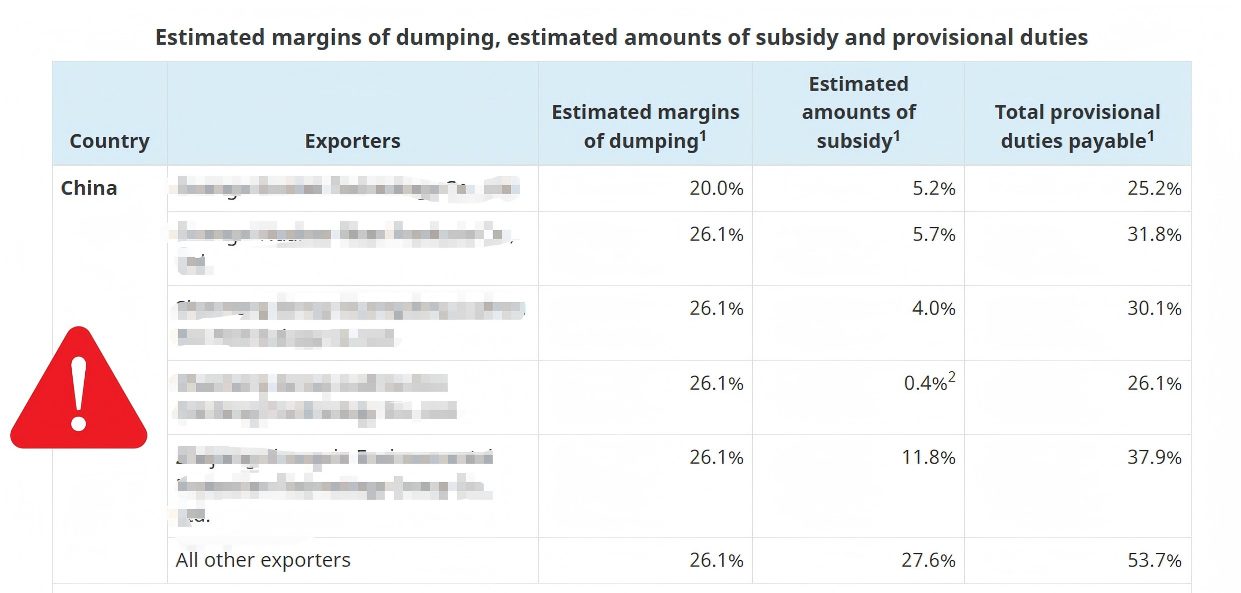
For buyers, the risk of continuing to put eggs in the basket of "produced in China and shipped directly to North America" is extremely high - not only the cost of tariffs, but also the uncertainty of delivery and the crisis of supply chain disruption. Global manufacturing is the "reassurance" we give you. Crisis will always only be reserved for well-prepared companies. With a forward-looking strategic vision, our company has already completed the global production capacity layout. Faced with Canada's preliminary anti-dumping ruling, the core reason why we were able to respond calmly and even turn this into a competitive advantage lies in our overseas factories:
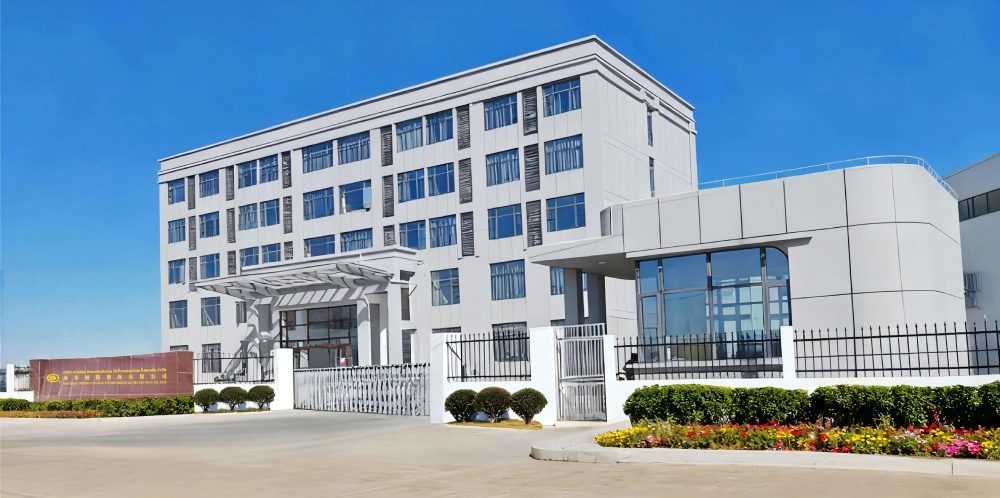
1. Tariff barriers can be easily bypassed. The factories we set up overseas (Southeast Asia) have independent origin identities. Shipping to Canada through our overseas base perfectly avoids the scope of this anti-dumping investigation and does not need to bear the high preliminary anti-dumping duties. For customers, it means the same high quality and lower total cost.
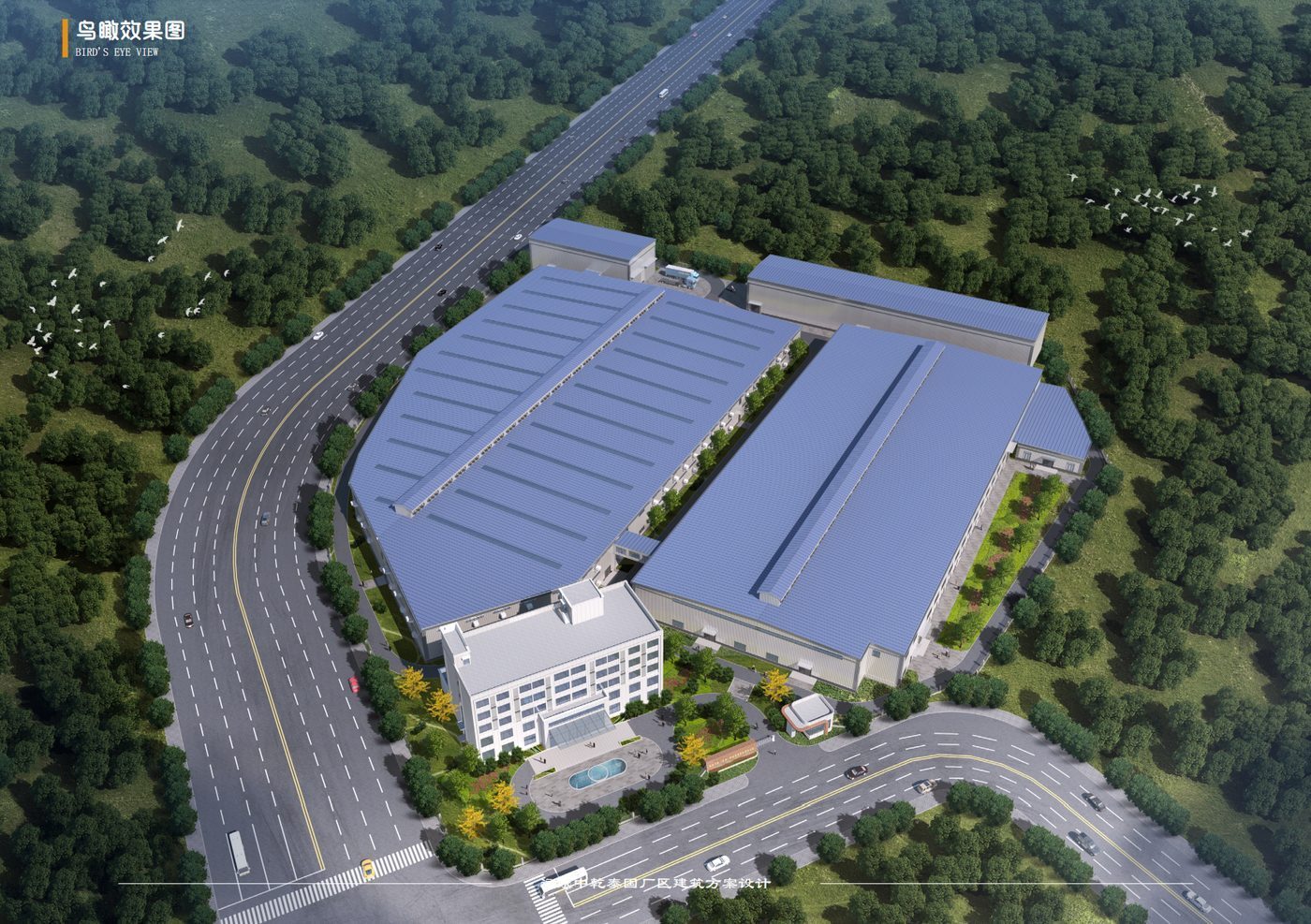
2. Convenient logistics and close to the market. Taking our factory in [Thailand] as an example, it not only avoids tariffs, but also significantly shortens the delivery cycle. Compared with domestic shipments, shipping time is shorter and the supply chain responds faster, truly realizing "near-shore supply".
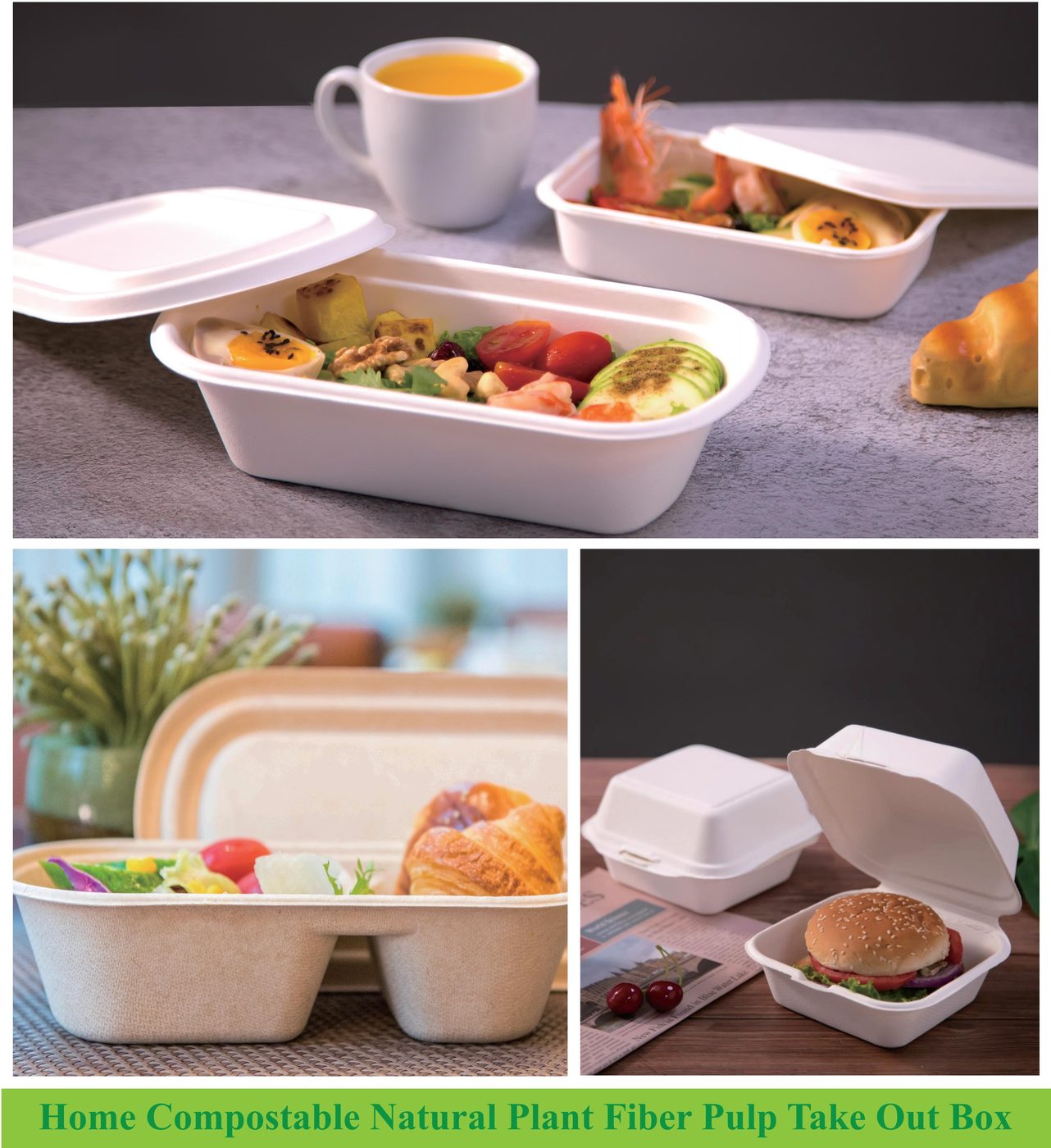
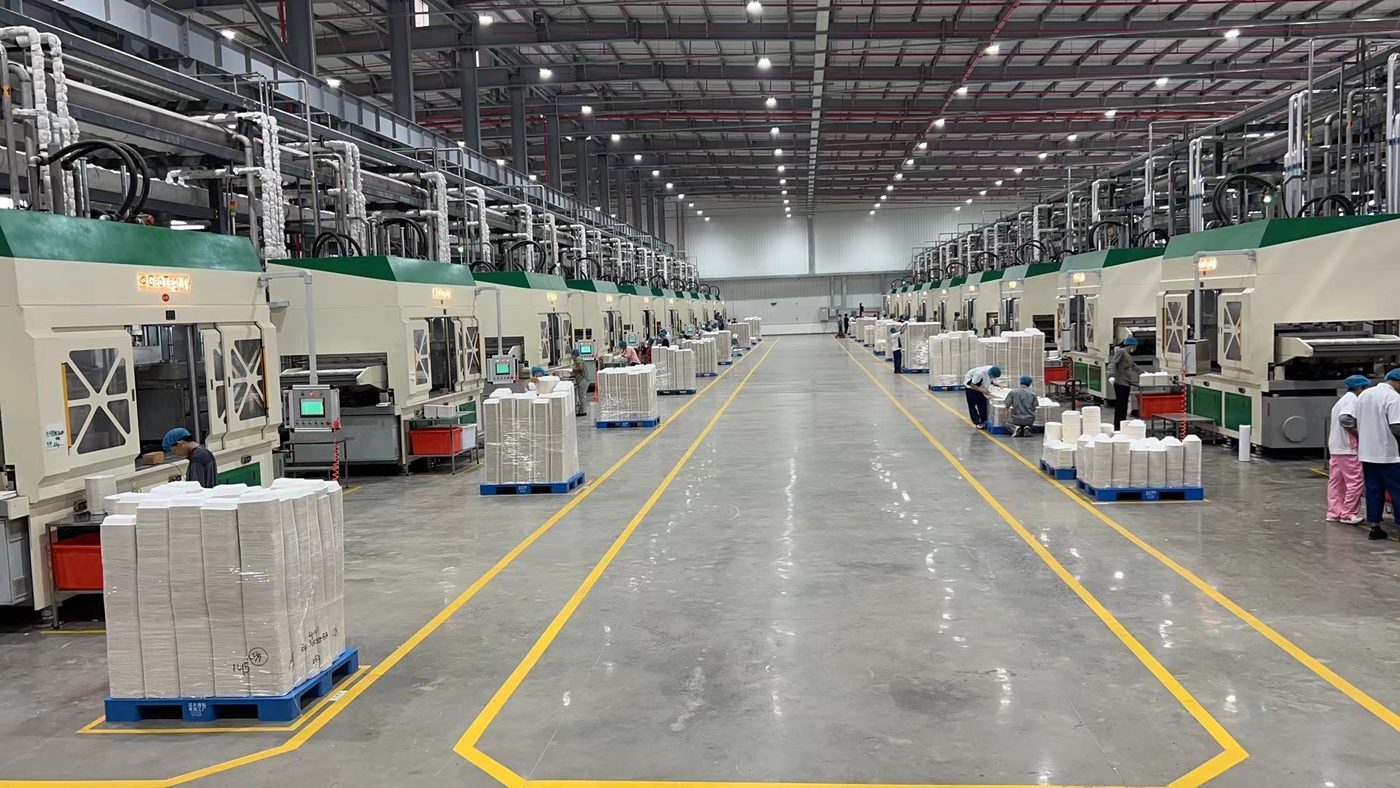
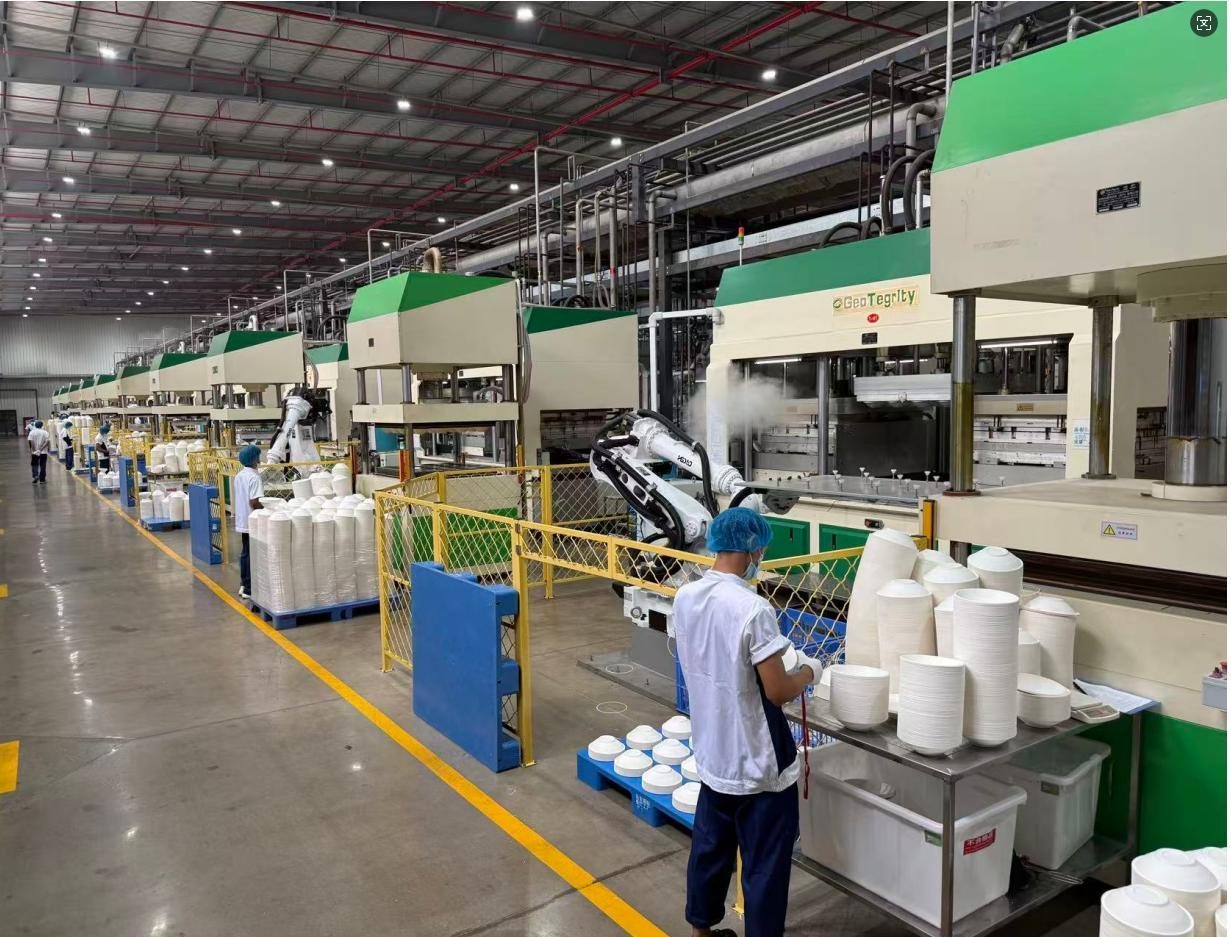
3. Stable production capacity, not affected by domestic policy fluctuations. When domestic peers have backlogged orders and blocked shipments due to anti-dumping investigations, our overseas bases are operating at full capacity and producing stably 24 hours a day. We not only have experience in providing customers with one-stop factory construction solutions in Europe, the Middle East, South America, Southeast Asia, India and other places, but we have also established our own standardized pulp molding production base overseas to ensure that product quality is in sync with domestic standards.
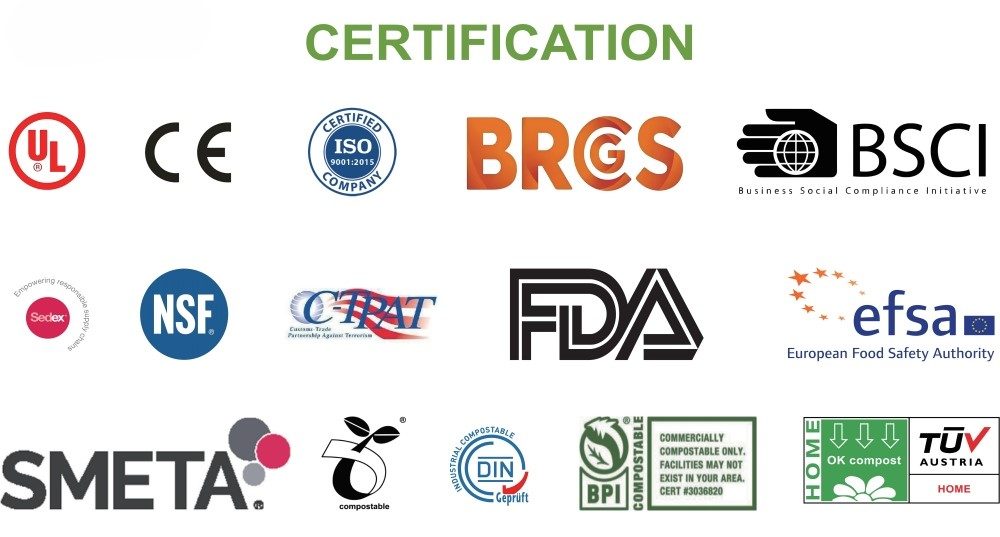
4. Integrate with international brands At present, many international leading brands (such as Starbucks, McDonald's, etc.) are increasingly focusing on suppliers' global service capabilities and supply chain resilience when conducting supply chain audits. Having overseas factories means that we have the qualifications and stability to undertake huge international fixed-point orders.
Crisis brings opportunities. Canada's preliminary anti-dumping ruling is actually a "major reshuffle" in the industry. Suppliers that cannot adapt to changes in rules will be eliminated, and companies like us with global resource allocation capabilities will become the new favorites of the market. If you are: ·An importer who is troubled by the sudden increase in tariff costs; ·A brand owner who is worried about supply chain disruption; ·Purchasing decision-maker seeking long-term and stable cooperation in the North American market. So, now is the time to talk to us. Instead of being "rigorous" with trade policies, it is better to use our overseas factories to easily achieve compliant imports, reduce costs and increase efficiency.
Act now to lock in overseas production capacity with stable prices and high quality! The overseas production capacity schedule for 2026 is being consumed rapidly. Welcome to leave a message, or contact us directly to obtain [Canadian exclusive pulp molding solutions]. Let us help you keep tariff risks out and seize market opportunities in your hands!
News Archive: Factory Updates & Trends
- After plastic, who will be the next generation of food packaging protagonist? 2026-06-16
- Canada's final anti-dumping and countervailing rulings have been implemented, and the global pulp molding industry is ushering in new changes! 2026-06-05
- [Breaking news] Based in China and going global | The founder of pulp molding will soon appear at the Interpack global packaging exhibition in Germany! We invite you to explore the new future of sustainable fully degradable packaging from May 7th to 13th! 2026-05-12
- The second phase of the 139th Canton Fair concluded successfully 2026-04-29
- "Pulp Molded Tableware Laminating Technology: How to Enable Environmentally Friendly Packaging Upgrades?" 》 2026-04-15
- Unlock the key to "trust"! Thai factory wins international certification grand slam! 2026-03-24